Mass Cane Plant: The Ultimate Guide
The Mass Cane plant, also known as Dracaena Massangeana, is a popular indoor plant that boasts a striking appearance and easy care requirements. Its long, glossy leaves are perfect for adding a touch of green to any room in your home or office.
In this guide, we'll take a closer look at the Mass Cane plant, its origins, characteristics, care instructions, and much more. Whether you're a seasoned plant enthusiast or just ing out, this guide has everything you need to know about this beautiful plant.
So without further ado, let's dive into the world of Mass Cane plants!
Origins and Characteristics
The Mass Cane plant is native to West Africa and can grow up to 10 feet tall. It has a thick stem and long, narrow leaves that can reach up to two feet in length. The leaves are typically green with yellow stripes down the center, although there are many different varieties available with varying leaf colors and patterns.
One of the most notable characteristics of the Mass Cane plant is its ability to purify the air. It's been proven to remove harmful toxins like formaldehyde, benzene, and trichloroethylene from the air, making it an excellent choice for indoor environments.
Care Instructions
Lighting
The Mass Cane plant prefers bright, indirect light. Direct sunlight can scorch its leaves, so it's best to place it near a window but out of direct sunlight. If you don't have access to bright, indirect light, a fluorescent bulb can help provide the necessary light.
Watering
The Mass Cane plant should be watered once a week, allowing the soil to dry out slightly between waterings. Overwatering can lead to root rot, so it's important not to let the plant sit in standing water. To ensure proper drainage, make sure your pot has a drainage hole.
Temperature and Humidity
The Mass Cane plant prefers temperatures between 60-75°F and moderate humidity levels. It can tolerate lower temperatures but should be kept away from cold drafts. If the air in your home or office is particularly dry, you can use a humidifier or mist the leaves occasionally to increase humidity levels.
Soil and Fertilizer
The Mass Cane plant prefers well-draining soil with a slightly acidic pH between 6.0-6.5. It doesn't require frequent fertilization, but you can use a balanced fertilizer once a month during the growing season (spring and summer).
Pruning
Pruning the Mass Cane plant isn't necessary, but it can help promote new growth and maintain its shape. You can trim any dead or yellowing leaves as needed. If your plant has grown too tall, you can also cut back the stem to encourage branching.
Common Problems
Brown Tips on Leaves
Brown tips on Mass Cane plant leaves are usually caused by underwatering or low humidity levels. Make sure your plant is receiving enough water and consider increasing humidity levels by misting the leaves or using a humidifier.
Yellow Leaves
Yellowing leaves can be a sign of overwatering or poor drainage. Make sure your plant isn't sitting in standing water and adjust your watering schedule if necessary.
Root Rot
Root rot is a common problem with Mass Cane plants that are overwatered or have poor drainage. The best way to prevent root rot is to make sure your pot has a drainage hole and to allow the soil to dry out slightly between waterings.
Propagation
The Mass Cane plant can be propagated through stem cuttings. Simply cut a healthy stem with at least two leaves and place it in a container filled with well-draining potting soil. Keep the soil moist and place the container in a warm, bright area. The cutting should root within a few weeks.
Decor Ideas
The Mass Cane plant's tall, striking appearance makes it perfect for adding height and drama to any room. Place it in a decorative pot and use it as a statement piece in your living room or office. You can also group several Mass Cane plants together to create a lush, tropical vibe.
Toxicity
The Mass Cane plant is toxic to pets, so it's important to keep it out of reach of cats and dogs. If ingested, it can cause vomiting, diarrhea, and other symptoms.
The Mass Cane plant is a beautiful, easy-to-care-for indoor plant that adds a touch of green to any space. Its ability to purify the air and its striking appearance make it a popular choice among plant enthusiasts. By following the care instructions outlined in this guide, you can enjoy a healthy, thriving Mass Cane plant in your home or office.
Frequently Asked Questions
Q: How fast does a Mass Cane plant grow?
A: Mass Cane plants can grow up to 10 feet tall but typically only grow about 6-7 inches per year.
Q: Can Mass Cane plants be grown outdoors?
A: Mass Cane plants are typically grown indoors but can be grown outdoors in warm, tropical climates.
Q: Do Mass Cane plants flower?
A: Yes, Mass Cane plants can produce small white flowers, although they are relatively rare when grown indoors.
Q: How often should I fertilize my Mass Cane plant?
A: Mass Cane plants don't require frequent fertilization but can benefit from a balanced fertilizer once a month during the growing season (spring and summer).
Q: Can Mass Cane plants be propagated in water?
A: While some plants can be propagated in water, Mass Cane plants should be propagated in well-draining potting soil.
Q: How do I know if my Mass Cane plant needs to be repotted?
A: If your Mass Cane plant is root-bound (i.e. the roots are growing out of the drainage hole), it's time to repot it into a larger container.
Q: Can I prune my Mass Cane plant to control its size?
A: Yes, you can prune your Mass Cane plant to control its size and shape. Simply trim any dead or yellowing leaves and cut back the stem if necessary.
Q: Is the Mass Cane plant easy to care for?
A: Yes, the Mass Cane plant is relatively easy to care for and doesn't require frequent watering or fertilization.
Q: Can Mass Cane plants be grown in low light?
A: Mass Cane plants prefer bright, indirect light but can tolerate lower light levels. If your plant isn't receiving enough light, consider using a fluorescent bulb to supplement.
Q: Are there any pests that commonly affect Mass Cane plants?
A: Mass Cane plants can be susceptible to spider mites, mealybugs, and scale insects. Regularly inspect your plant for signs of infestation and treat with insecticidal soap if necessary.
15 Mass cane plant Images

How To Care For Mass Cane Plant Mass Cane Plant Corn Plant Mass Cane

Corn Plant Dracaena Corn Plant Plants Corn Plant Care

Corn Plant Mass Cane Corn Plant Plants Perfect Plants

Learn Mass Cane Leaves Turning Yellow Brown At The Ends How To

Mass Cane Plant Jardineria Y Plantas Plantas Arreglos Florales

Alpha Botanical Mass Cane Plant Care Profile Mass Cane Plant Mass

Dracaena Massangeana Mass Cane Corn Plant Poisonous Description

I Was Given A Mass Cane Plant By A Friend That Corner Needed Some

Indoor Plant Mass Cane Plants Indoor Plants Houseplants

Dracenia Mass Cane Office Plants Plants Mass Cane

How To Care For Mass Cane Plant Corn Plant Mass Cane Plant Mass Cane

Dracaena Massangeana Mass Cane Plant Corn Plant Corn Plant Care

Costa Farms Live Indoor 2ft Tall Mass Cane Plant In 10in Grower Pot

Shop 175Gallon Mass Cane L20959HP At Lowescom Mass Cane Low
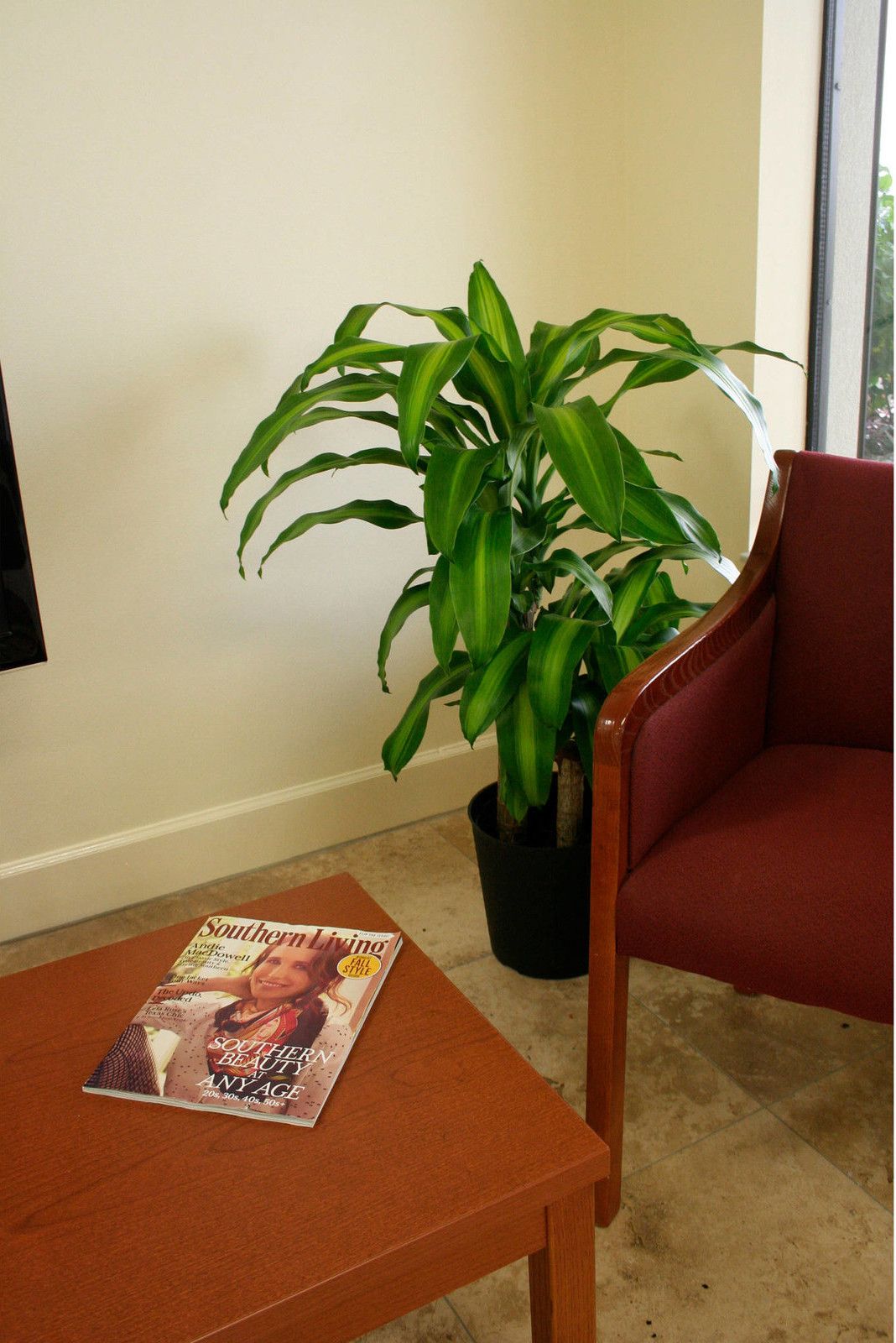
Pin On Gardening
Post a Comment for "Mass Cane Plant: The Ultimate Guide"